This experience showcases visual representations of how we as people are damaging our oceans. Our planets surface is 75% water and our oceans act as the planets primary form of life support producing at least 50% of the planets oxygen. Our oceans regulate our climate by absorbing 30% of the worlds carbon dioxide emissions and transporting heat from the equator to the poles. Our oceans are also home to an incredible range of biodiversity with over 200,00 identified species of marine life with the actual number estimated to be in the millions. Over 3 billion people rely on that vast range of biodiversity for their livelihoods. The aim of this experience is to show you the dark reality of the damge we have done to our oceans and why we need to work together to repair as much as we can.
————————————
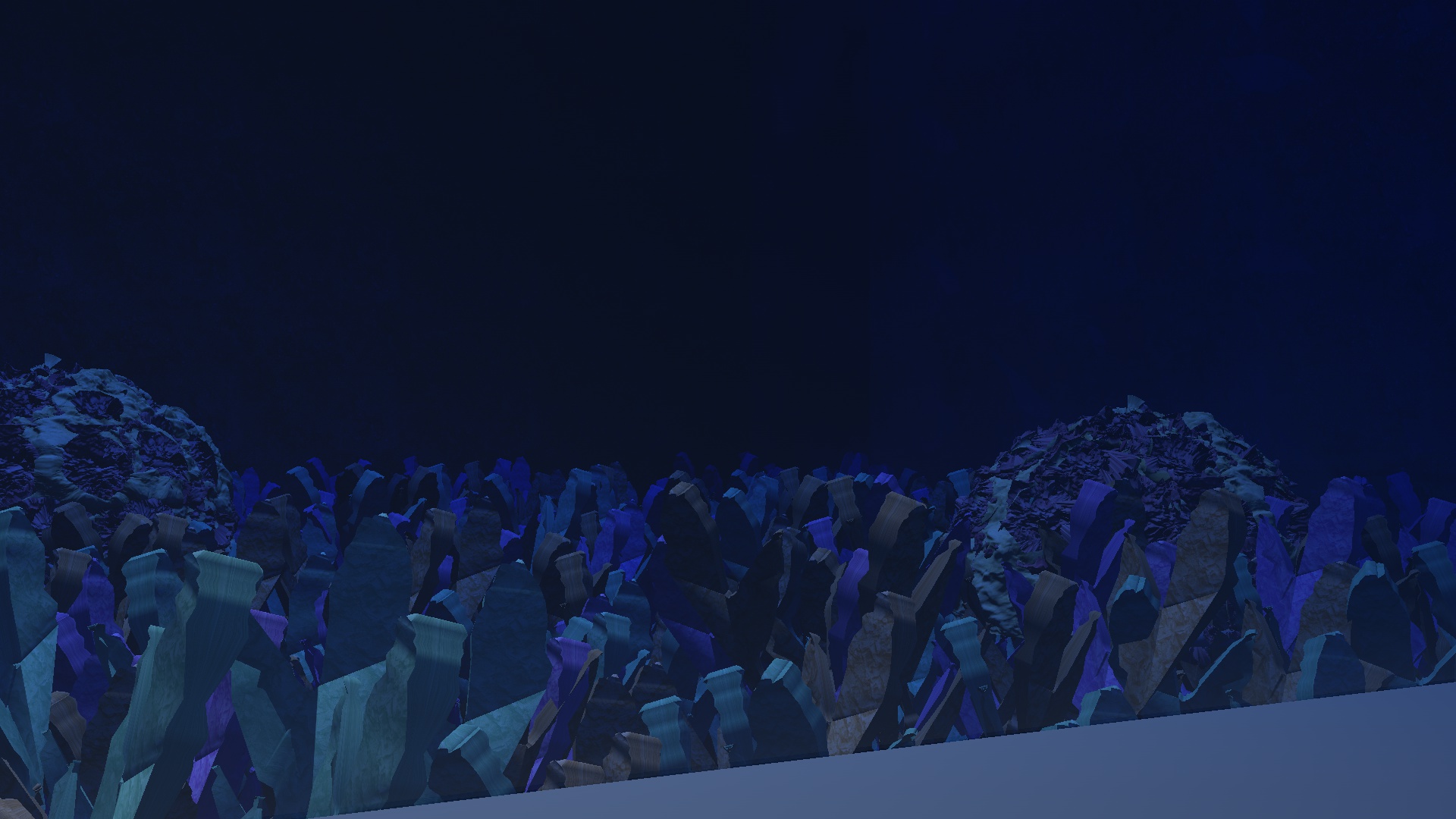
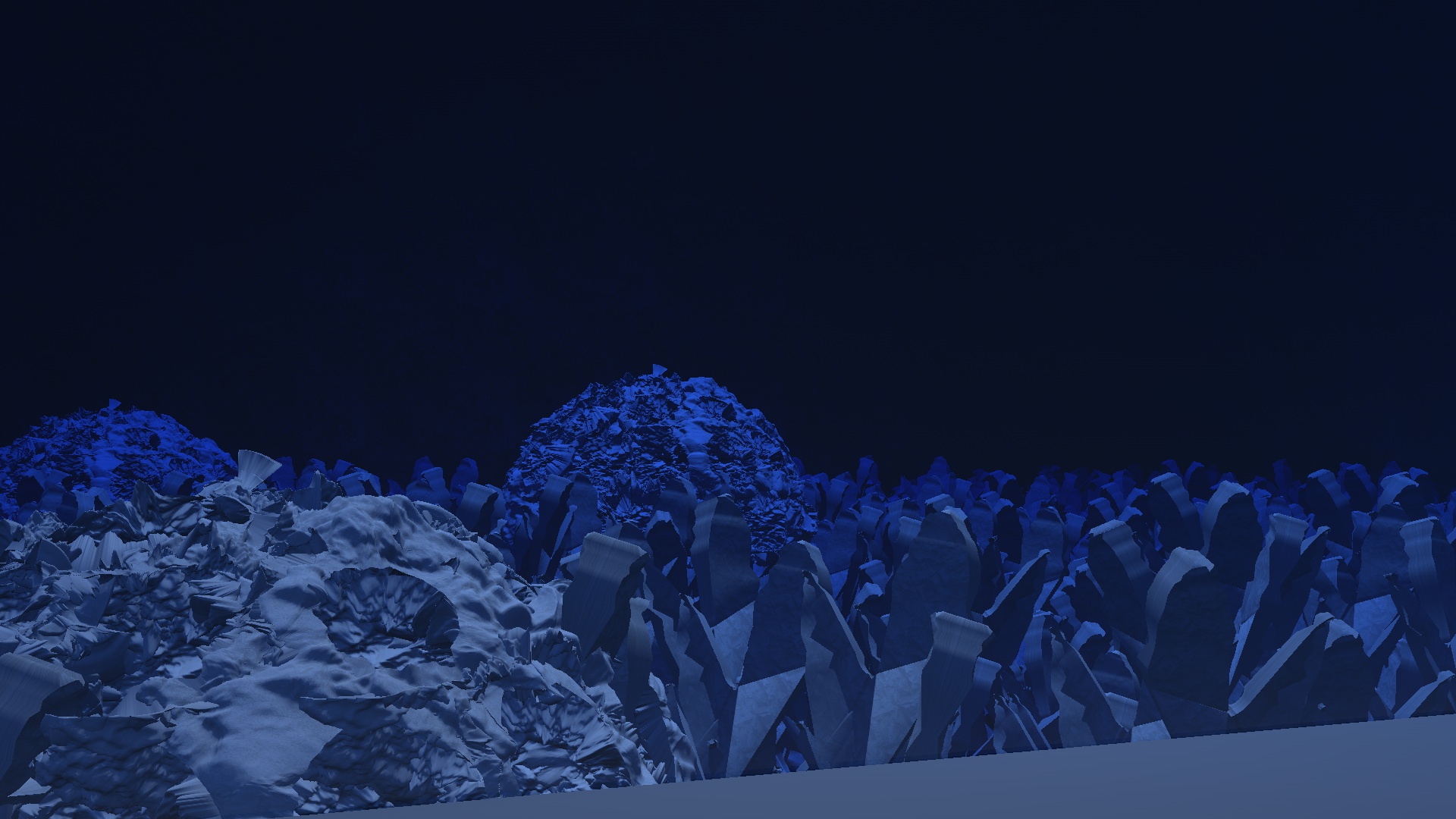
360 renders using Momento360
————————————
Gallery
Despite only covering 1% of the oceans floor, coral reefs provide habitats to atleast 25% of the world's marine life. They also protect coastlines from erosion and and provide income through tourism for millions of people. Despite their incredible importance to both marine and land life, the worlds coral reefs are under massive threat with over 80% of the worlds coral reefs being affected by bleaching and rising temperatures. Bleaching is when coral expels the colourful algae that it relies on for food and energy via photosynthesis leaving them vulnerale to disease and starvation eventually leading to death. This is caused primarily by climate change but also by pollution.
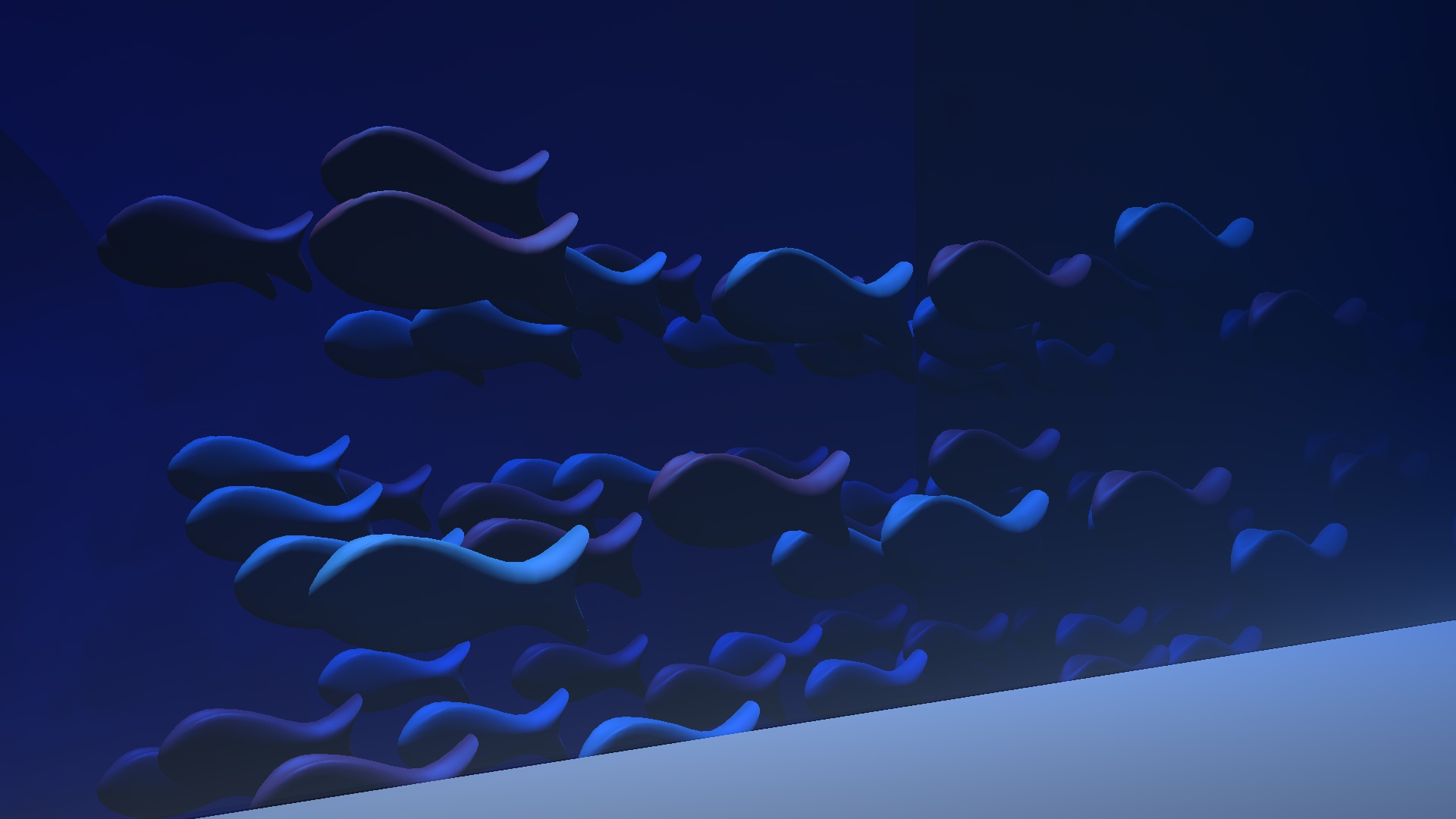

Overfishing and bycatch are the primary drivers of decling marine biodiversity. Around 40% of fish and shellfish populations in europe's seas are still not in good status or fished sustainably. One of the ways in which excessive commercial fishings destroys our oceans is that commercial fishing creates algal blooms which eventually lead to oceanic deadzones wgere marine life cannot survive. Bottom trawling and dredging cause decreased oxygen production levels which in turn cause more greenhouse gases to be released by the ocean.


Pollution harms our oceans by introducing toxic substances and debris to the oceans that disrupt ecosystems and kill marine life. Over 100 million marine animals die anually from discarded plastic waste through either ingestion or entanglement. One incredibly dangerous form of pollution is oil spills which can smother habitats like coral reefs and reduce oxygen levels in water. Oil spills cost potenially billions to clean up with one of the most famous being the deepwater horizon oil spill which cost $65 billion in damages and repairs causing extreme damage to the local ecosystem.